About Field & Foundry
Good organizations deserve great marketing.
Field & Foundry was built to bring experienced, strategic marketing to organizations doing work worth doing.
Today, that means a particular focus on helping small companies and startups navigate one of the most complicated markets to enter: the public sector.
Great products and good ideas aren't enough on their own. Companies need to understand who they're trying to reach, what matters to that audience, how to communicate their value, and where marketing can actually support growth.
That's where we come in.
We believe marketing isn't about being louder than everyone else. It's about being clear enough that the right people understand your value, trust what you do, and choose to work with you.
And whether you're building a public sector practice, growing a business, or running a campaign, that principle doesn't change.

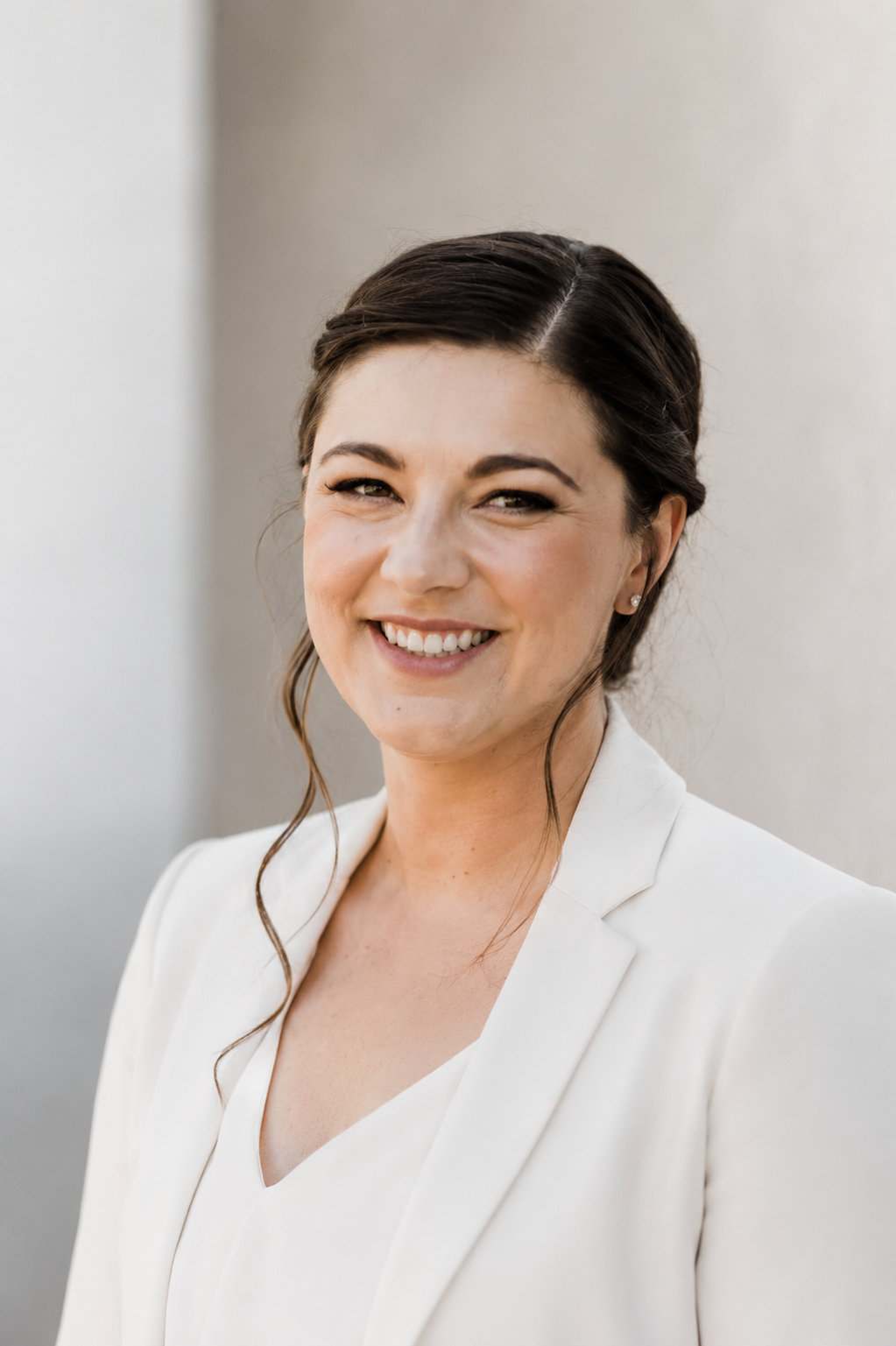
I've spent my career at the intersection of mission, marketing, and growth.
Early in my career, that meant helping communicate the work of the U.S. Institute of Peace, where I saw firsthand how thoughtful communication can build understanding and support meaningful work.
From there, I moved into enterprise technology marketing—building go-to-market strategies, launching products, developing partnerships, and creating campaigns designed to generate measurable growth.
Eventually, my career brought those worlds together: marketing technology to the public sector.
I've worked inside the federal market and learned just how different it is from traditional B2B marketing. The audiences are different. The buying environment is different. Relationships and partnerships matter enormously. And understanding how sales, marketing, contracts, events, partners, and government priorities fit together can be difficult even for experienced commercial companies.
It's especially challenging for startups and smaller companies trying to break into the market without the resources of a large enterprise.
That's a big part of why Field & Foundry exists.
I believe the strategic thinking available to large organizations shouldn't be reserved for companies with million-dollar marketing budgets.
Field & Foundry brings that experience to smaller organizations—helping them understand their market, sharpen their positioning, build credibility, and make smarter decisions about where to invest their marketing resources.
And while public sector is a specialty, the philosophy behind the work is broader: good organizations deserve thoughtful marketing.
That's why I continue to work with businesses, organizations, and campaigns doing work worth doing.
Outside of work, you'll usually find me coaching high school volleyball, exploring Oregon with my family, or investing time in the communities I'm proud to call home.
Meet Celena
How We Work
Before we recommend a website, launch a campaign, create content, or spend a dollar on an event, we start by understanding the bigger picture.
Who are you trying to reach? What matters to them? Where does your company fit in the market? What does your sales team actually need from marketing? And what does success look like?
Those questions are especially important in the public sector, where long sales cycles, complex buying environments, partnerships, relationships, and limited resources can make it easy to spend marketing dollars without a clear strategy behind them.
We figure out what matters first.
Then we build.
Because marketing shouldn't be about chasing trends or checking boxes.
It should help your organization grow.
Why Field & Foundry?
Everything starts with strategy.
Field & Foundry is a reflection of how we approach every project.
The field represents discovery. It's where we ask questions, listen carefully, and gain a deep understanding of your organization, your customers, and what makes your work worth choosing.
The foundry represents creation. It's where strategy is shaped into something tangible—a clear message, a trusted brand, a website, or a marketing plan designed to help your organization grow.
Too often, marketing starts with tactics. I believe it should start with understanding.
That's why every engagement begins in the field before we build in the foundry.